
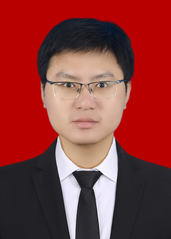
个人资料
个人简介孙秦豫, 博士,副教授,长安大学青年学术骨干。2020年12月进入长安大学汽车学院工作,主要研究方向为自动驾驶、人机协作、交通安全、具身智能等。主持国家自然科学青年基金1项,博士后科学基金1项,参与国家重点研发计划和国家科技支撑计划项目子课题各4项,参与省部级及企业横向科研项目5项,参与编写教材1部。在IEEE Transactions on Intelligent Transportation Systems、Expert Systems With Applications、Accident Analysis and Prevention、IEEE Transactions on Vehicular Technology、Transportation research part C: Emerging Technologies、中国公路学报等本领域国内外顶级学术期刊发表高水平学术论文30余篇,申请发明专利6项。 所在的“人-车系统安全理论与技术”创新团队获得教育部“长江学者和创新团队发展计划”项目支持并获得滚动资助。研究团队长期致力于“驾驶人特征与行为”和“人-车-路系统安全”研究,已形成人-车系统安全理论与技术,自动驾驶人机协作技术,道路运行风险主动防控技术,驾驶行为分析等稳定的研究方向。 研究团队建有六自由度驾驶模拟器、三自由度驾驶模拟器、自动驾驶实车试验平台、具身智能系统平台等多套科研设施,可有力支撑各类科研项目开展与硕博研究生培养工作。 欢迎对自动驾驶安全、人智协作、具身智能等方向感兴趣的学生报考。 邮箱:sunqinyu@chd.edu.cn 社会职务研究领域自动驾驶 人智协作 交通安全 具身智能 开授课程本科 汽车自动驾驶技术 电动汽车技术 工程热力学与发动机原理 研究生 交通运输安全 科技论文写作 科研项目(1)国家自然科学青年基金项目,基于驾驶人认知决策迁移的人机协作混合增强智能控制策略研究,30万,主持,2022.1-2024.12. (2)中国博士后科学基金项目,面向人在回路的智能驾驶人机协作混合增强智能控制策略研究,8万,主持,2022.1-2023.12. (3)中央高校基本科研业务专项,融合驾驶人认知-推理机制的人机协作混合智能决策研究,15万,主持,2024.3-2026.12. (4)陕西省公安厅,事故多发路段和道路安全隐患排查治理,94万,主持,2025.12-2026.12. (5)国家重点研发计划项目子课题,融合本体模型与稀疏特征的边缘场景构建技术研究,60万,参与,2024.12-2027.12. (6)国家自然科学基金面上项目,基于感知冲突与姿态不稳定理论耦合的自动驾驶车辆乘员晕动评价与改善研究,54万,2023.01-2026.12. (7)教育部长江学者与创新团队发展支持计划滚动支持项目,人-车系统安全理论与技术,300万,参与,2018.01-2020.12. (8)陕西省重点研发计划项目子课题,智能网联商用车关键零部件开发,100万,参与,2021.09-2023.12. 论文A multimodal deep neural network for prediction of the driver’s focus of attention based on anthropomorphic attention mechanism and prior knowledge. Expert Systems with Applications,2023, 214, 119157. Passenger non-driving related tasks detection using a light weight neural network based on human prior knowledge and soft-hard feature constraints. Expert Systems with Applications, 2023,119631. Real-Time Driver Behavior Detection Based on Deep Deformable Inverted Residual Network With an Attention Mechanism for Human-Vehicle Co-Driving System. IEEE Transactions on Vehicular Technology, 2022,71(12), 12475-12488. Driver’s mobile phone usage detection using guided learning based on attention features and prior knowledge. Expert Systems with Applications, 2022, 206: 117877. Lane change strategy analysis and recognition for intelligent driving systems based on random forest. Expert Systems with Applications, 2021, 186: 115781. Comparing the Effects of Visual Distraction in a High-Fidelity Driving Simulator and on a Real Highway. IEEE Transactions on Intelligent Transportation Systems, 2021. 人机协作系统中车辆轨迹规划与轨迹跟踪控制研究. 中国公路学报, 2021, 34(9): 146-160. Improving the User Acceptability of Advanced Driver Assistance Systems Based on Different Driving Styles: A Case Study of Lane Change Warning Systems. IEEE Transactions on Intelligent Transportation Systems,2020, 21(10): 4196-4208. Lane change warning threshold based on driver perception characteristics.(2018). Accident Analysis & Prevention,117 (2018): 164-174. Human-like car-following model for autonomous vehicles considering the cut-in behavior of other vehicles in mixed traffic. Accident Analysis & Prevention, 2019,132, 105260. Lane change safety assessment of coaches in naturalistic driving state. Safety Science, 2019, 119, 126-132. Can driving condition prompt systems improve passenger comfort of intelligent vehicles? A driving simulator study. Transportation Research Part F: Traffic Psychology and Behaviour, 81(2021), 240-150. 科技成果荣誉奖励工作经历 |